
Education
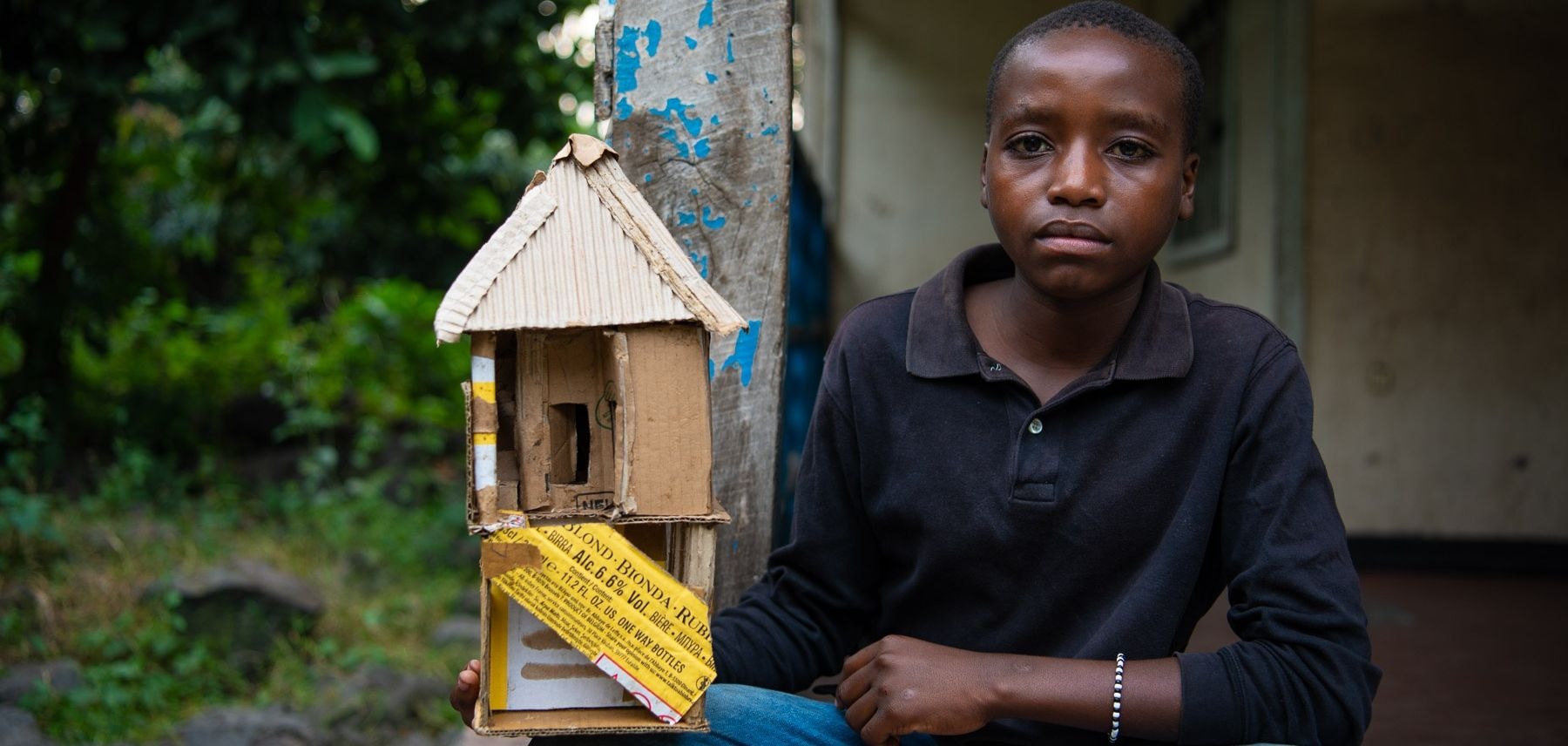
Education changes lives
We believe in the power of education, the change it can bring in children’s lives and the hope it can create for the future.
We have a strong belief that together we can make a difference and contribute to a living cause.
Education helps transform children’s lives and allow them overcoming poverty. It also leads to decision making in later adolescence and helps them build a stable mind
Around the world, more than 72 million children are not able to access quality education. Many of these children are forced to work or help with household responsibilities, while others come from families that cannot afford to send them to school. Other factors that contribute to children missing out on education include distance from schools, poor infrastructure, unsafe or unhealthy environments, overcrowding, conflict and violence, and displacement.
Poverty is a major factor that contributes to a lack of education in developing countries. One in seven children is likely to stay home from school due to poverty. Poor conditions, such as hunger, malnutrition, and illiteracy among parents, can compound the risk of non-enrollment. This cycle of poverty is often passed from one generation to the next, as children living in developing countries may be at risk of living in poverty for their entire lives due to a lack of support systems or opportunities to break the cycle. Without adequate education and resources, these children may be unable to escape the cycle of poverty and pass it on to their own children.
But for childre without family and system support the future is with no hope
Around the world, more than 72 million children are not able to access quality education. Many of these children are forced to work or help with household responsibilities, while others come from families that cannot afford to send them to school. Other factors that contribute to children missing out on education include distance from schools, poor infrastructure, unsafe or unhealthy environments, overcrowding, conflict and violence, and displacement.
Poverty is a major factor that contributes to a lack of education in developing countries. One in seven children is likely to stay home from school due to poverty. Poor conditions, such as hunger, malnutrition, and illiteracy among parents, can compound the risk of non-enrollment. This cycle of poverty is often passed from one generation to the next, as children living in developing countries may be at risk of living in poverty for their entire lives due to a lack of support systems or opportunities to break the cycle. Without adequate education and resources, these children may be unable to escape the cycle of poverty and pass it on to their own children.
But for childre without family and system support the future is with no hope
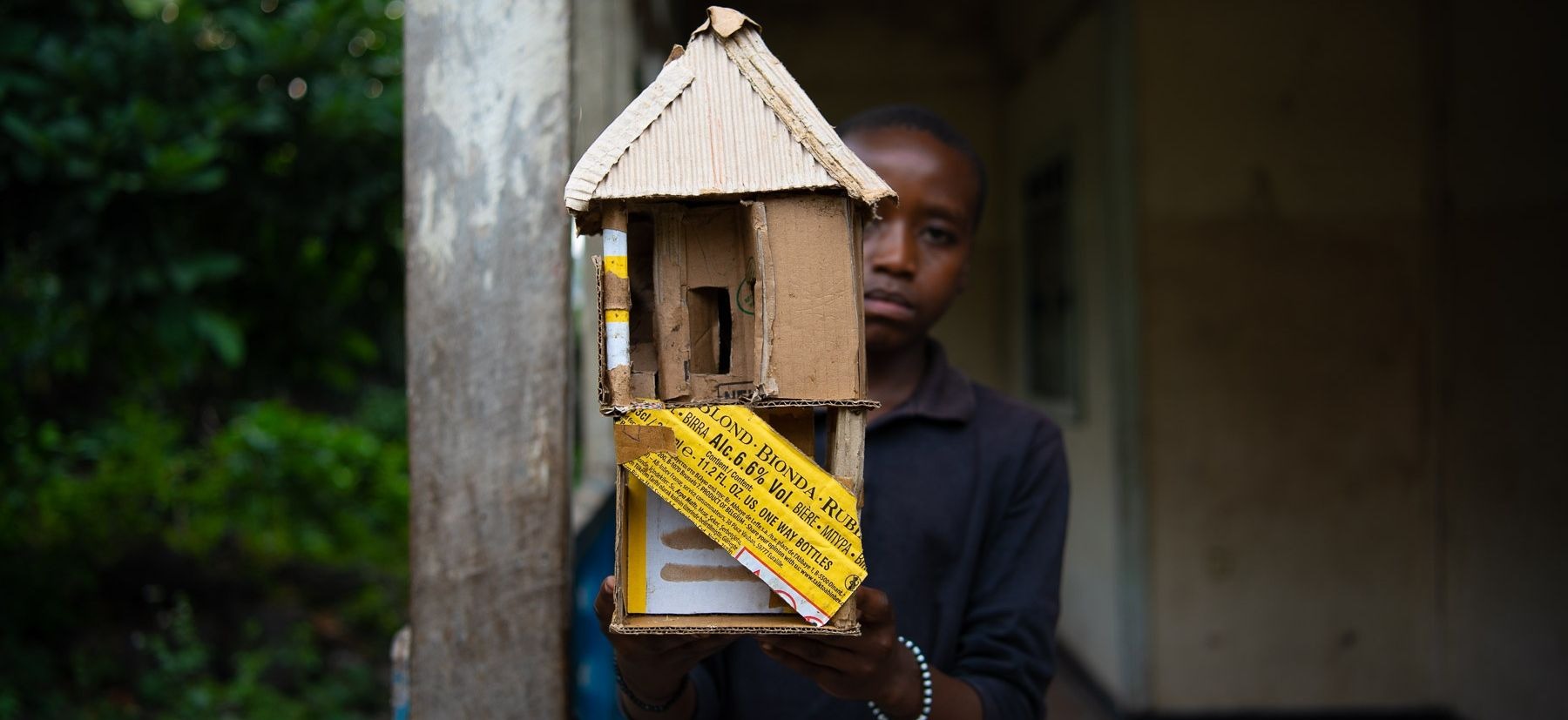
Why education
For children living in developing countries and war zones, being out of school can lead to poverty from generation to generation
Here is how education can help children shift from poverty to a sustainable life
- Children with access to basic education are more likely to make reasonable decisions during their late adolescence and are put onto the right path towards success. These children are given the chance to develop skills and build them while growing up
- Education also restores the dependency of children and allows them to become more independent. Helping them remember that they are part of something great and that they can achieve something great in life.
- Education can also prevent violence to children, reduce the chances for children to join the military at an earlier age, or the chances of being on the market. Education helps build up a child’s mindset and habits as well as normalcy.
- Education can help create an alliance, between youth and politicians, build peace and promote peace and hope. The bottom line is, education is the bridge between a poor community and a community that has hope.
IUCHR to respond
Earlier learning can result in mastering any skill in children’s life
IUCHR to respond
Our fiercely commitment to fight hanger and reach zero hunger goal
IUCHR to respond
It is a privilege for IUCHR to advocate children’s rights and humanitarian crisis
Every day 1 out 3 kids will more likely miss out school because of hanger
Be the voice for those who can’t speak for themselves, take action and get involved | Volunteer, serve, make a difference | The day is here to change the face of the entire humanity, will you be part of it ?
Would you like to get involed and be a supporter?
Why education
For children living in developing countries and conflict-affected areas, a lack of education can have serious and long-lasting consequences. It can lead to poverty that persists from generation to generation, as these children may be unable to escape the cycle of poverty and provide for themselves or their families. Without access to education, children may be forced to work at a young age or turn to other risky or harmful activities in order to survive. This can prevent them from reaching their full potential and leading fulfilling lives. By investing in education and supporting children in these communities, it is possible to break the cycle of poverty and provide a brighter future for all.
Here is how education can help children shift from poverty to a sustainable life
Children who have access to basic education are more likely to make informed and responsible decisions during their late adolescence, setting them on a path towards success. Education can help children develop a range of skills and abilities that will serve them well throughout their lives. It can also help them to become more independent, enabling them to take control of their own lives and contribute to their communities.
In addition to personal benefits, education can also have a positive impact on communities as a whole. It can help to reduce violence, prevent children from joining the military at a young age, and promote peace and understanding. By building a sense of community and fostering a culture of learning, education can help to create a brighter future for all. Ultimately, education can be seen as a bridge between poor and disadvantaged communities and those with greater hope and opportunity.
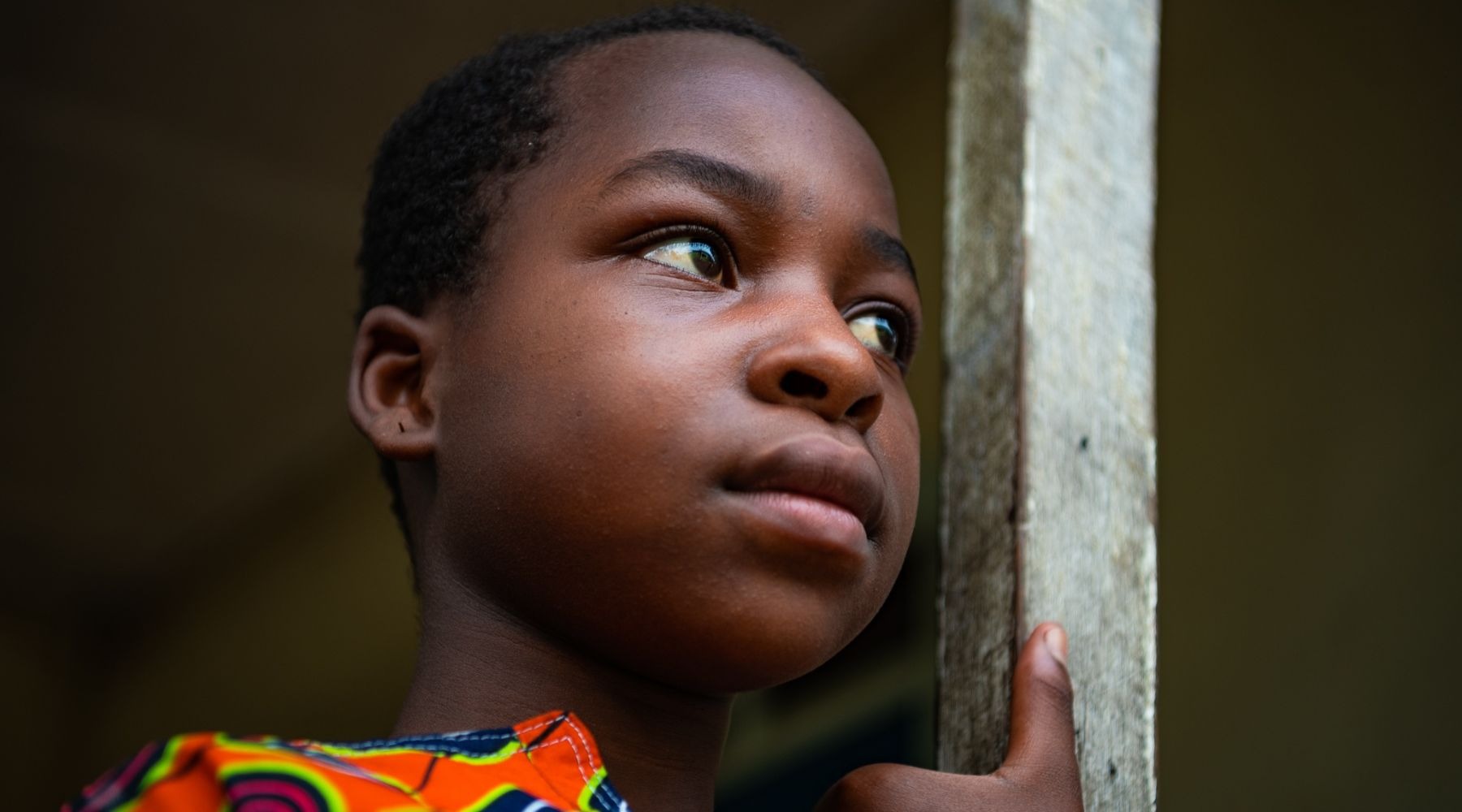
""School is very important to me because I want to become a nurse and help other children in need."
-Elody Muranduka- DRC-Congo/Goma
"As someone who has experienced firsthand the challenges and difficulties that children in need face, I am determined to use my education and future career as a nurse to make a difference in the lives of others. I believe that every child should have the opportunity to succeed and reach their full potential, and that is why I am so grateful for the chance to pursue my education. I hope to use my skills and knowledge to give back to my community and make a positive impact on the lives of others." - Elody Muranduka" - Elody Muranduka
Our goal as an organization is to make a positive impact in the world and to help others succeed. We believe that by sharing our values, beliefs, and passion with like-minded individuals, we can make a difference in people's lives. We value people above all else, because we know that it is through their efforts and dedication that real change can be made.
We cannot achieve our vision without the support and involvement of people like you, who are also committed to making a positive difference in the world. Together, we can create a brighter future for all.
IUCHR work's
IUCHR is dedicated to advocating for children’s rights to quality education and empowering them to reach their full potential. We believe that by working together, we can help to end poor learning outcomes and ensure that every child has access to quality education.
By making the cause of children our own, we can have a meaningful impact on their lives and create a brighter future for all. Together, we can bring hope for a better tomorrow.
By working together and supporting each other, we can achieve more with IUCHR and bring about positive change in the world. Unity is a powerful force that can bring about transformative change and create a more united and compassionate society.
© 2022 iuchr inc. All right reserved | International Committee for Humanitarian Action Reformation. By accessing iuchr site, constitutes acceptance of our terms & conditions and privacy policy and cookies policy. All users of the iuchr website should read and understand these terms of use. All material on this site may not be reproduced, disseminate, transferred, cashed or otherwise used, except with the prior written permission of iuchr.